

vf
Advances in Touch Sensitivity for Flexible Monitors
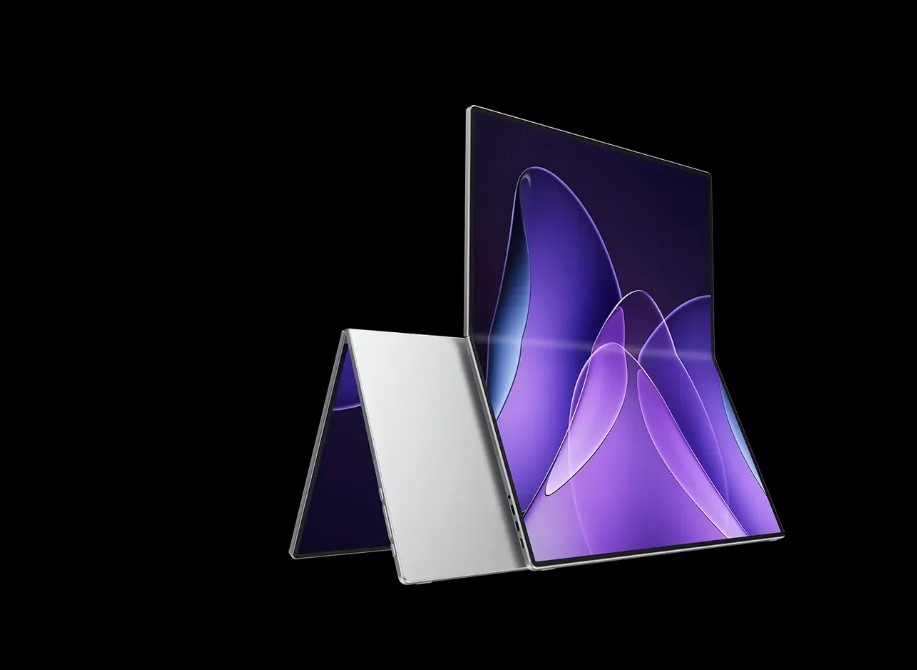
The display industry is undergoing a major transformation as flexible technology matures and enters mainstream use. From foldable smartphones to ultra-thin laptops, innovation is no longer limited to resolution or refresh rates alone. One of the most exciting frontiers today is the advancement of touch sensitivity in flexible monitors, redefining how users interact with screens across work, gaming, and creative environments. As demand grows for portability, responsiveness, and immersive visuals, technologies such as the bendable display , next-generation Portable Monitors are shaping the future of digital interaction.
The Evolution of Flexible Display Technology
Early flexible screens were impressive in concept but limited in functionality. While they could bend or fold, touch accuracy often suffered due to material constraints. Today's bendable display technology uses advanced substrates like polyimide instead of traditional glass, allowing screens to flex without compromising durability or responsiveness. Modern flexible monitors are now capable of supporting multi-touch gestures, pressure sensitivity, and ultra-low latency input. This evolution has been driven by breakthroughs in sensor integration, conductive materials, and AI-assisted touch calibration, making flexible screens far more practical for everyday use.
Why Touch Sensitivity Matters More Than Ever
Touch sensitivity is no longer just a convenience it is central to productivity and user experience. Designers sketch directly on screens, professionals multitask with gestures, and gamers rely on instantaneous feedback. On a flexible monitor, touch performance must remain accurate even when the display bends, folds, or changes orientation. Advances in capacitive touch layers now allow touch sensors to move seamlessly with the panel. These layers are thinner, more elastic, and capable of detecting even the lightest touch. As a result, modern Portable Monitors offer tablet-like interaction without sacrificing screen size or visual quality.
OLED and High Refresh Rates: A Perfect Match
The integration of touch sensitivity with OLED technology has been a game changer. OLED panels are naturally thin, lightweight, and flexible, making them ideal for next-generation monitors. When combined with high refresh rates, the result is a smoother and more immersive experience.
An OLED 120hz monitor delivers ultra-fluid motion, reduced input lag, and superior color contrast. This is especially important for touch-based interactions, where delays can disrupt workflow or gameplay. With a 120Hz refresh rate, every swipe, tap, or drag feels instantaneous, even on a flexible screen.
Touch Technology Behind Bendable Displays
Achieving consistent touch accuracy on a bendable display requires advanced engineering. Manufacturers now use flexible electrodes made from silver nanowires or graphene, which maintain conductivity even when bent. These materials allow touch sensors to stretch and flex without breaking or losing precision.
The Rise of Touch-Enabled Portable Monitors
As remote work and mobile productivity become standard, Portable Monitors have evolved from simple secondary screens into fully interactive devices. Touch-enabled portable monitors allow users to work, draw, present, and collaborate anywhere without external peripherals. Flexible designs further enhance portability. A bendable or foldable monitor fits easily into a bag, adapts to different setups, and supports both landscape and portrait modes. Combined with USB-C power delivery and touch support, portable monitors are becoming essential tools for digital nomads, students, and professionals.
Use Cases Driving Innovation
Several industries are accelerating the adoption of advanced touch-sensitive flexible monitors:
- Creative professionals benefit from pressure-sensitive touch for illustration and design.
- Gamers enjoy responsive gameplay on OLED 120hz monitor setups with touch-based controls.
- Business users leverage Portable Monitors for presentations, multitasking, and remote collaboration.
- Education and training environments use touch-enabled flexible screens for interactive learning.
Each of these use cases demands precision, durability, and responsiveness-requirements that modern flexible touch technology is now meeting.
The Future of Flexible Touch Displays
The future of flexible monitors lies in even greater integration. Upcoming developments include haptic feedback on bendable displays, improved palm rejection, and AI-driven touch prediction. As manufacturing costs decrease, high-performance touch-enabled OLED portable monitors will become more accessible to a wider audience.
Conclusion
Advances in touch sensitivity have transformed flexible monitors from conceptual devices into powerful, everyday tools. With innovations in bendable display materials, high-performance OLED 120hz monitor technology, and the growing versatility of Portable Monitors , users can now enjoy seamless interaction without compromising portability or performance.
No hay resultados para "vf"